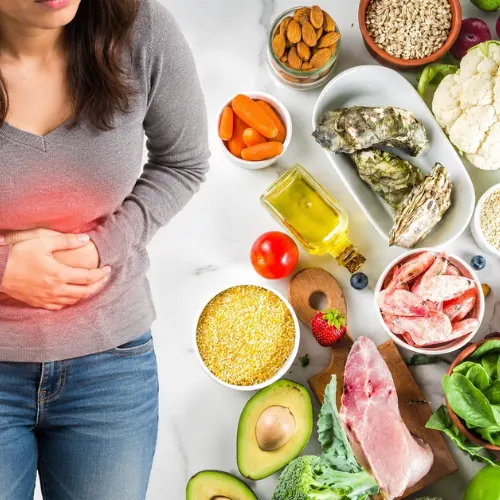
IBS Diet Management in Vashi
Personalized Nutrition Support for Better Digestive Health & IBS Symptom Relief
Irritable Bowel Syndrome (IBS) is one of the most common digestive disorders, affecting the way the digestive system functions. It can cause symptoms such as bloating, abdominal pain, gas, constipation, diarrhea, or alternating bowel habits that often interfere with daily life and overall wellbeing.
While IBS does not cause permanent damage to the digestive tract, its symptoms can significantly impact quality of life. Fortunately, dietary and lifestyle modifications play a major role in managing IBS symptoms and improving digestive comfort. Research consistently shows that dietary interventions, particularly individualized approaches and Low FODMAP strategies, can help many people achieve better symptom control.
At Shifali Mehraa Nutrition Clinic, we provide personalized IBS Diet Management in Vashi to help individuals identify food triggers, improve digestive health, and develop sustainable eating habits that support long-term gut wellness.
What is Irritable Bowel Syndrome (IBS)?
IBS is a functional gastrointestinal disorder that affects how the digestive system works. It commonly causes recurring digestive symptoms without structural abnormalities in the digestive tract.
Common IBS Symptoms
- Abdominal pain or cramping
- Bloating
- Excessive gas
- Diarrhea
- Constipation
- Alternating diarrhea and constipation
- Urgency to pass stools
- Incomplete bowel movements
Symptoms vary from person to person, which is why personalized nutrition planning is often essential for effective management.
Types of IBS
IBS-C (Constipation Predominant)
Individuals primarily experience constipation, hard stools, and difficulty passing stools.
IBS-D (Diarrhea Predominant)
Frequent loose stools, urgency, and digestive discomfort are common.
IBS-M (Mixed Type)
Alternating episodes of constipation and diarrhea.
IBS-U (Unclassified)
Symptoms do not clearly fit into one specific category.
Each type of IBS may require different dietary and lifestyle strategies.
Why is Nutrition Important for IBS Management?
Diet is one of the most important factors influencing IBS symptoms. Certain foods may trigger bloating, gas, abdominal discomfort, diarrhea, or constipation in susceptible individuals.
A personalized IBS nutrition plan can help:
- Identify trigger foods
- Reduce bloating and gas
- Improve bowel regularity
- Support digestive comfort
- Improve nutritional intake
- Enhance quality of life
- Reduce symptom flare-ups
Current gastroenterology guidelines recognize dietary management and Low FODMAP approaches as among the most evidence-based nutritional interventions for IBS.
Who Can Benefit from IBS Diet Management?
IBS Nutrition Counselling may benefit individuals experiencing:
Digestive Symptoms
- Bloating
- Gas
- Abdominal discomfort
- Digestive cramps
- Irregular bowel movements
IBS Conditions
- IBS-C
- IBS-D
- IBS-M
Food Sensitivities
- Difficulty tolerating specific foods
- Post-meal digestive discomfort
- Suspected dietary triggers
Long-Term Digestive Health Goals
- Better gut health
- Improved digestion
- Sustainable symptom management
Our IBS Diet Management Services
Personalized IBS Nutrition Consultation
Every individual experiences IBS differently. Our consultation focuses on understanding your symptoms, eating habits, medical history, and digestive health concerns.
Assessment Includes
- Symptom evaluation
- Dietary assessment
- Trigger identification
- Lifestyle review
- Personalized nutrition planning
Benefits
- Better understanding of IBS triggers
- Individualized dietary guidance
- Practical meal planning strategies
Low FODMAP Diet Guidance
The Low FODMAP Diet is one of the most researched dietary approaches for IBS symptom management. It involves a structured process of identifying fermentable carbohydrates that may trigger symptoms in certain individuals.
Low FODMAP Support Includes
- Elimination phase guidance
- Food reintroduction planning
- Trigger identification
- Long-term personalization
Benefits
- Reduced bloating
- Improved digestive comfort
- Better symptom control
- Greater dietary confidence
IBS-C Nutrition Support
For individuals with constipation-predominant IBS, nutrition strategies focus on supporting healthy bowel function and digestive comfort.
Areas of Focus
- Soluble fibre intake
- Hydration strategies
- Meal timing
- Lifestyle modifications
Benefits
- Improved bowel regularity
- Reduced digestive discomfort
- Better gut health support
IBS-D Nutrition Support
Individuals with diarrhea-predominant IBS often benefit from dietary strategies that support digestive stability and symptom management.
Areas of Focus
- Trigger food identification
- Meal planning
- Digestive comfort
- Balanced nutrition
Benefits
- Better symptom management
- Improved digestive confidence
- Enhanced quality of life
Common IBS Trigger Foods
Trigger foods vary from person to person. However, some foods are more commonly associated with IBS symptoms.
Potential Triggers Include
- Onion
- Garlic
- Certain dairy products
- Wheat-based foods
- Some fruits
- Some legumes
- Sugar alcohols
- Excess caffeine
- Alcohol
- Highly processed foods
Not everyone reacts to the same foods, which is why individual nutrition planning is essential.
Foods Often Better Tolerated in IBS
Depending on individual tolerance, many people with IBS may benefit from including foods such as:
Examples May Include
- Oats
- Rice
- Quinoa
- Potatoes
- Eggs
- Fish
- Chicken
- Firm tofu
- Carrots
- Cucumbers
- Strawberries
- Oranges
Food tolerance varies between individuals and recommendations should be personalized.
Lifestyle Strategies for IBS Management
IBS management often extends beyond food choices alone.
Eat Regular Meals
Avoid skipping meals and maintain consistent eating patterns.
Eat Slowly
Eating too quickly may worsen digestive symptoms.
Stay Hydrated
Adequate fluid intake supports digestion and bowel function.
Manage Stress
The gut and brain are closely connected, and stress can worsen IBS symptoms.
Stay Physically Active
Regular exercise may help improve digestive health and overall wellbeing.
Maintain Good Sleep Habits
Sleep quality can influence digestive function and symptom severity.
Our Approach to IBS Nutrition Care
Comprehensive Assessment
We evaluate:
- Symptom patterns
- Medical history
- Current diet
- Food triggers
- Lifestyle factors
- Digestive health concerns
Personalized Nutrition Planning
Recommendations are tailored according to your symptoms, food tolerance, and health goals.
Trigger Identification
Structured approaches help identify foods that may contribute to symptom flare-ups.
Ongoing Monitoring
Regular follow-ups allow nutrition plans to evolve as symptoms improve and food tolerance changes.
Why Choose RD Shifali Mehraa for IBS Diet Management in Vashi?
Why Patients Trust Us
- Personalized IBS nutrition plans
- Evidence-based digestive health guidance
- Low FODMAP diet support
- Practical meal planning strategies
- Focus on sustainable lifestyle changes
- Ongoing monitoring and support
Our goal is to help individuals improve digestive comfort, identify triggers, and develop a healthy relationship with food while managing IBS symptoms effectively.
Frequently Asked Questions
What is the best diet for IBS?
There is no single diet that works for everyone. IBS management is highly individualized, although Low FODMAP approaches have strong evidence for symptom improvement in many people.
Can nutrition help reduce IBS symptoms?
Yes. Personalized dietary modifications can help reduce bloating, abdominal discomfort, constipation, diarrhea, and other IBS-related symptoms.
What is the Low FODMAP Diet?
The Low FODMAP Diet is a structured dietary approach that helps identify specific carbohydrate-containing foods that may trigger IBS symptoms.
Can stress worsen IBS?
Yes. Stress is closely linked to digestive health and may contribute to IBS symptom flare-ups.
How long does it take to see improvements?
Many individuals notice improvements within a few weeks of implementing appropriate dietary and lifestyle changes, although results vary.
Is IBS a lifelong condition?
IBS is considered a chronic condition, but symptoms can often be effectively managed through nutrition, lifestyle modifications, and medical guidance.
Should I avoid gluten if I have IBS?
Not necessarily. Some individuals may benefit, while others may not. Personalized assessment is important before making significant dietary restrictions.
Can IBS be managed without medication?
Many individuals experience significant symptom improvement through nutrition and lifestyle modifications in Navi Mumbai, though treatment recommendations vary depending on symptom severity and medical advice.
Take Control of IBS with Personalized Nutrition Support
Living with IBS can be challenging, but the right nutrition strategy can make a significant difference in your digestive comfort and quality of life.
At Shifali Mehraa Nutrition Clinic Vashi, we provide customized IBS Diet Management programs tailored to your symptoms, food tolerances, and lifestyle needs. Whether you struggle with bloating, constipation, diarrhea, or mixed IBS symptoms, we are here to help.
Book Your IBS Nutrition Consultation Today
Take the first step toward improved digestion, reduced IBS symptoms, and better gut health with expert nutrition guidance from RD Shifali Mehraa in Vashi Navi Mumbai.
Schedule your consultation today and begin your journey toward long-term digestive wellness through personalized IBS nutrition care.
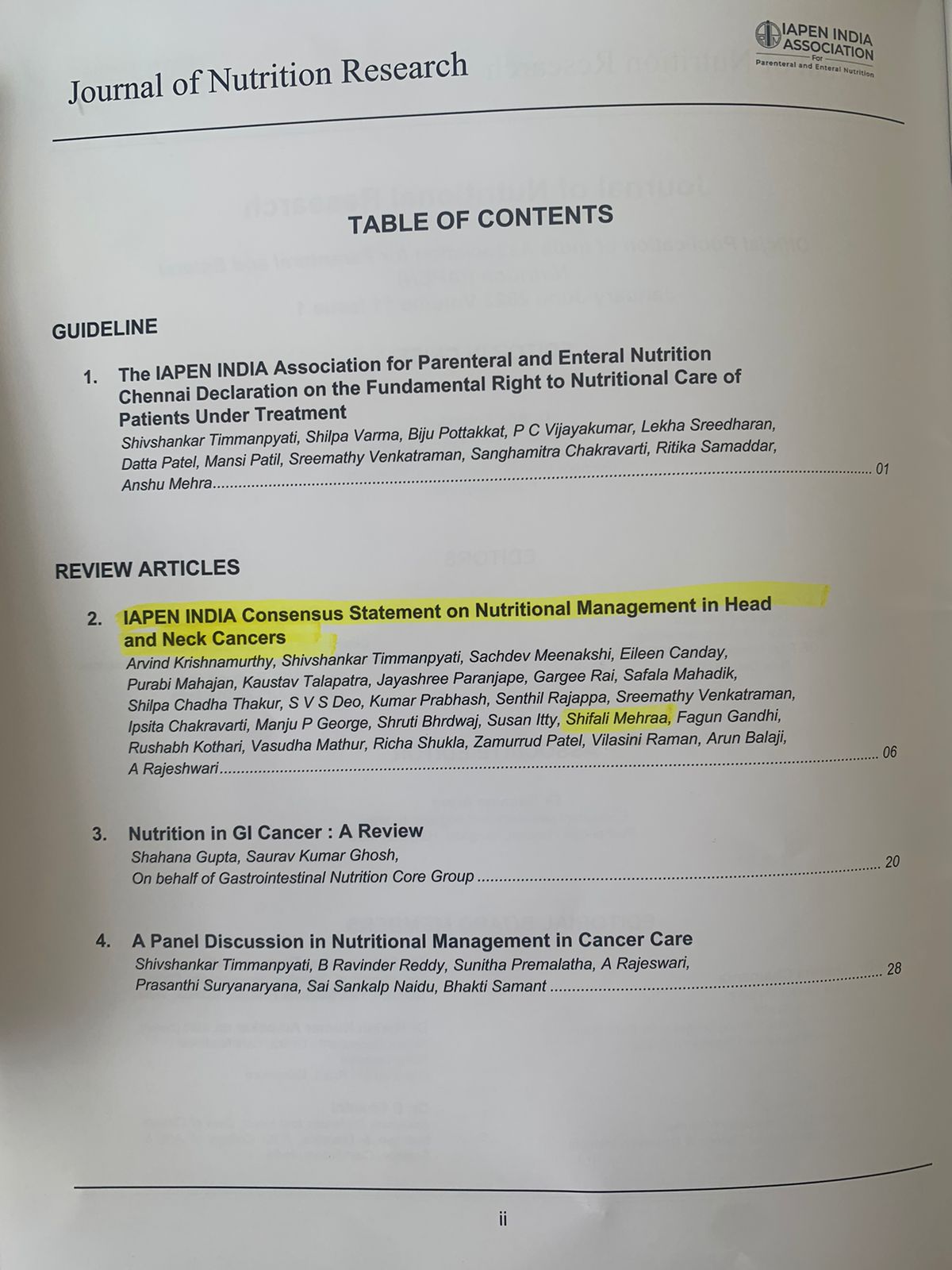
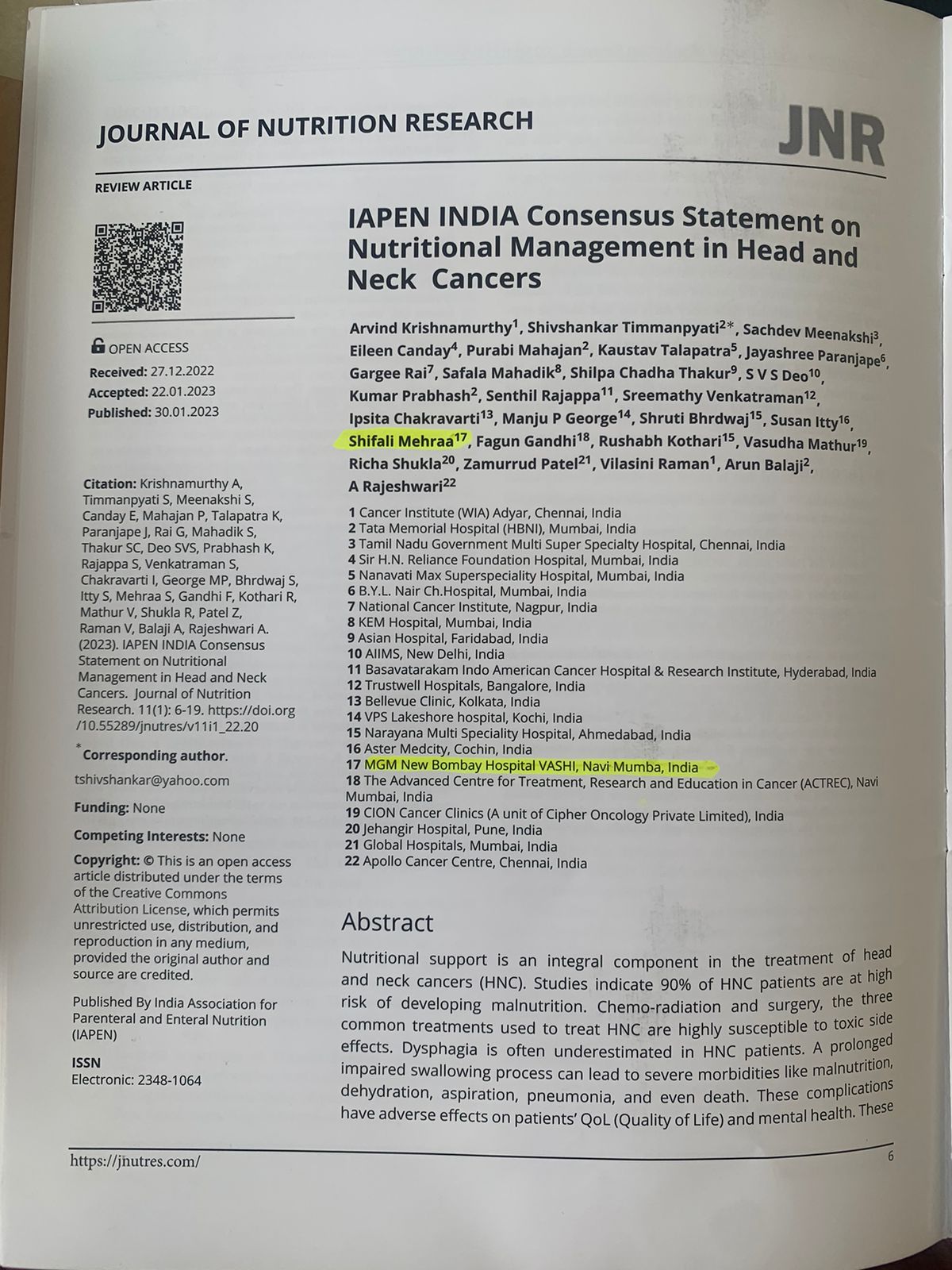
RD Shifali Mehraa is a registered dietitian and medical nutrition therapist specializing in personalized, evidence-based nutrition plans for clinical health conditions.
Follow Us
Social Media



Contact Us
EVERHEALTH SUPERSPECIALITY CLINIC
Shop No. 48, Ground Floor, JK Chambers Building, Sector 17, Vashi, Navi Mumbai, Maharashtra 400703
Timing: 4.30pm - 6pm (By Appointment)
Copyright © All Rights Reserved, RD Shifali Mehraa