
GLP-1 Muscle Preservation & Protein Nutrition in Navi Mumbai
Maintain Your Strength While Managing Your Weight
Personalised Protein & Muscle Health Nutrition Support by Registered Dietitian Shifali Mehraa
Losing weight while taking prescribed GLP-1-based medications such as Mounjaro (tirzepatide) or Wegovy (semaglutide) may involve changes in both body fat and lean body mass. While reducing excess body fat may be part of a medically supervised weight management plan, maintaining adequate nutrition and muscle function is equally important.
These medications can reduce appetite and increase fullness, making it challenging for some individuals to consume enough protein, calories and essential nutrients.
The GLP-1 Muscle Preservation & Protein Nutrition Program in Navi Mumbai provides personalised dietary guidance for people receiving medically prescribed weight loss treatment.
Led by Shifali Mehraa, Registered Dietitian & Nutritionist, with over 20 years of clinical nutrition experience, the program focuses on appropriate protein intake, nutritional adequacy, muscle health and practical eating habits that support overall well-being.
Whether you follow a vegetarian or non-vegetarian Indian diet, nutritional guidance can be adapted to your medical needs, appetite, lifestyle and food preferences.
What Is GLP-1 Muscle Preservation & Protein Nutrition?
GLP-1 muscle preservation nutrition refers to dietary strategies intended to support muscle maintenance, adequate protein intake and nutritional health during treatment with GLP-1-based weight management medications.
When people lose weight, they may lose both fat mass and lean body mass. Lean body mass includes muscles as well as other non-fat tissues.
Reduced appetite, early fullness and lower food intake can make meeting nutritional requirements more difficult during medication-assisted weight reduction.

A structured nutrition plan focuses on:
- Assessing daily protein and energy requirements.
- Supporting the maintenance of muscle mass and physical function.
- Planning nutrient-dense meals despite reduced appetite.
- Identifying potential nutritional inadequacies.
- Supporting dietary intake alongside appropriate physical activity.
- Monitoring changes in eating patterns and nutritional needs.
The aim is to support adequate nutrition and muscle health during weight loss, not to promise that muscle loss can be completely prevented.
Can Mounjaro and Wegovy Cause Muscle Loss?
Yes. Some loss of lean body mass can occur during weight reduction with Mounjaro, Wegovy and other GLP-1-based treatments.
This does not necessarily mean that the medication is directly damaging muscles. Weight loss from many approaches, including dietary energy restriction, may involve reductions in both fat and lean tissues.
The amount of lean mass lost varies between individuals and may depend on factors such as age, baseline muscle mass, activity levels, nutritional intake and the extent of weight reduction.
Not all measured lean mass loss represents skeletal muscle loss. Changes in body water and other non-fat tissues may also contribute.
Adequate protein intake, appropriate resistance exercise and nutritional monitoring may help support muscle maintenance during medically supervised weight loss.
Individuals experiencing significant weakness, difficulty performing routine activities or unexpectedly rapid weight changes should discuss these concerns with their prescribing medical practitioner.
Why Is Muscle Preservation Important During Weight Loss?
Muscles play an important role in movement, strength, balance, physical function and metabolic health.
During weight reduction, the goal should extend beyond changes on the weighing scale. Maintaining functional strength and adequate nutrition is also important for long-term health.
Supports Physical Strength
Muscle tissue contributes to walking, lifting, climbing stairs and performing daily activities. Maintaining muscle health helps support physical independence.
Supports Metabolic Health
Skeletal muscle plays an important role in glucose utilisation and insulin sensitivity. Supporting muscle function forms part of a broader approach to metabolic health.
Helps Maintain Physical Function During Weight Loss
Inadequate nutrition and substantial weight reduction may be associated with reductions in strength or exercise capacity in some individuals.
Supports Healthy Ageing
Preserving muscle mass and function becomes particularly important with increasing age, when age-related muscle decline may already be occurring.
Encourages a Balanced Weight Management Approach
Monitoring nutritional intake, strength and physical function alongside body weight provides a broader picture of progress than weight measurements alone.
Why Can Protein Intake Become Inadequate During GLP-1 Treatment?
GLP-1-based medications can alter appetite, satiety and food intake.
Some individuals experience:
- Reduced hunger throughout the day.
- Feeling full after eating small portions.
- Difficulty completing regular meals.
- Reduced interest in protein-rich foods.
- Nausea or digestive discomfort affecting food choices.
- Irregular meal timings or frequent meal skipping.
As overall food consumption decreases, protein and energy intake may fall below individual requirements.
For example, someone who previously consumed three balanced meals may begin eating only small portions of carbohydrates or low-protein snacks because of reduced appetite. Although total calorie intake may decrease, the diet may no longer provide sufficient protein and other nutrients.
A personalised GLP-1 protein nutrition plan helps individuals make better use of smaller meals by prioritising nutritional quality and appropriate protein sources.
Who May Benefit from GLP-1 Muscle Preservation Nutrition Counselling?
This program may be suitable for adults who are already receiving weight loss injections prescribed by a qualified medical practitioner and who require additional nutritional support.
Nutrition counselling may be particularly helpful for:
- Individuals taking Mounjaro, Wegovy or other GLP-1-based weight management medications.
- People concerned about muscle loss during weight reduction.
- Adults experiencing substantial appetite reduction.
- Individuals struggling to consume sufficient protein.
- Vegetarians who need guidance on meeting protein requirements.
- People over 40 who are concerned about age-related muscle changes.
- Older adults who may have an increased risk of muscle weakness.
- Physically active individuals who want to maintain nutritional intake during weight loss.
- People with diabetes or metabolic conditions requiring individualised dietary planning.
- Individuals experiencing reduced food intake due to mild digestive symptoms.
People with kidney disease, heart failure, significant gastrointestinal symptoms or other complex medical conditions may need additional precautions and coordination with their treating clinician.
A personalised assessment helps determine whether higher protein intake is appropriate.
How Much Protein Do You Need While Taking GLP-1 Injections?
Protein requirements during weight reduction depend on several factors, including age, weight, body composition, physical activity, kidney function and overall medical condition.
Some clinical recommendations discuss protein intakes of approximately 1.2–1.6 grams per kilogram per day for selected adults undergoing active weight reduction.
However, this range is not a universal prescription.
For people living with obesity, calculating protein requirements using actual body weight alone may overestimate nutritional needs. A dietitian may consider adjusted weight, estimated lean mass, medical conditions and other clinical factors.
Individuals with chronic kidney disease or specific medical conditions may require different protein targets.
Rather than following a fixed amount suggested online, an individualised dietary assessment is preferable.
Is More Protein Always Better?
No.
Consuming more protein than the body requires does not automatically lead to improved muscle preservation.
Protein intake must be considered alongside total energy intake, resistance exercise, overall diet quality and medical suitability.
The objective is to meet individual nutritional requirements, not to consume the highest possible amount of protein.
Protein-Rich Indian Foods for GLP-1 Muscle Health
Protein requirements can often be supported through familiar Indian foods.
A personalised meal plan may include vegetarian, egg-based or non-vegetarian protein sources depending on dietary preferences.
Vegetarian Protein Sources
- Paneer and tofu.
- Milk, curd and suitable high-protein dairy products.
- Soybeans, soy chunks and unsweetened soy products.
- Dal, lentils, chickpeas and rajma.
- Sprouts and legumes.
- Nuts and seeds as complementary protein sources.
Non-Vegetarian Protein Sources
- Eggs.
- Chicken.
- Fish.
- Other appropriately prepared lean protein sources.
Choosing Protein Sources Wisely
Not all foods contain the same amount or quality of protein per serving.
For example, nuts provide protein but are also rich in fat, while lentils provide protein along with carbohydrates and fibre.
Meal planning should consider portion size, total protein content, digestibility, calorie requirements and individual food tolerance.
A registered dietitian can help select protein sources that fit a person's nutritional needs, lifestyle and medical history.
How Can You Eat Enough Protein When Your Appetite Is Low?

Reduced appetite can make large meals uncomfortable. In such situations, meal structure and food selection become particularly important.
The following strategies may help some individuals:
Choose Smaller, Nutrient-Dense Meals
Smaller portions containing suitable protein sources may be easier to tolerate than large meals.
Include Protein Across the Day
Distributing protein-containing foods between meals can be a practical way to meet daily requirements.
Prioritise Nutritional Quality
When appetite is limited, foods providing protein, vitamins, minerals and other essential nutrients deserve greater attention.
Select Foods You Can Tolerate
Textures, cooking methods, fat content and portion sizes may need adjustment when nausea or early fullness affects eating.
Maintain Appropriate Hydration
Adequate fluid intake is important, particularly when digestive symptoms interfere with normal eating and drinking.
Hydration advice must be individualised for people with fluid restrictions.
Seek Dietary Guidance When Intake Remains Low
Persistent difficulty eating, repeated vomiting or signs of dehydration require medical assessment rather than simply changing the meal plan.
Sample Indian High-Protein Meal Options During GLP-1 Treatment
The following are illustrative food combinations, not a fixed diet prescription.

| Meal | Vegetarian option | Non-vegetarian option |
|---|---|---|
| Breakfast | Moong dal chilla with curd | Eggs with whole-grain toast |
| Mid-morning | Plain curd or suitable dairy | Plain curd or suitable dairy |
| Lunch | Roti with dal, vegetables and paneer | Roti with chicken or fish and vegetables |
| Evening snack | Tofu or a suitable protein-rich snack | Egg or another suitable protein-rich snack |
| Dinner | Tofu or paneer with vegetables and a suitable grain portion | Fish or chicken with vegetables and a suitable grain portion |
Meal portions, ingredients and timings depend on individual appetite, daily nutritional requirements and medical conditions.
Not everyone needs five eating occasions each day. Some people may prefer fewer meals, while others tolerate smaller, more frequent portions.
A dietitian can help adjust the pattern based on individual needs.
Is Protein Alone Enough to Maintain Muscle During Weight Loss?
No. Adequate protein is important, but it is only one component of muscle preservation.
Muscle health is also influenced by:
- Resistance or strength-based exercise.
- Sufficient energy and overall nutrient intake.
- Sleep and recovery.
- Age and hormonal factors.
- Existing medical conditions.
- Baseline fitness and physical activity.
Resistance training provides a stimulus that helps the body maintain muscle function during weight reduction.
Examples may include appropriately supervised bodyweight exercises, resistance bands, weight training and other strength-based activities.
The type, intensity and frequency should be adapted to fitness levels, joint health and medical suitability.
Nutrition counselling supports appropriate dietary intake, while exercise recommendations requiring clinical assessment should involve the relevant qualified healthcare or exercise professional.
What Are the Signs of Inadequate Nutrition During GLP-1 Treatment?
Not everyone who loses weight experiences nutritional deficiency or muscle-related problems.
However, certain changes may suggest the need for further assessment.
These include:
- Persistent weakness or unusual fatigue.
- Difficulty meeting regular meal requirements.
- Markedly reduced protein intake.
- Unintentional loss of strength.
- Difficulty performing previously manageable activities.
- Persistent nausea affecting food intake.
- Frequent meal skipping.
- Poor recovery after physical activity.
- Ongoing digestive symptoms that interfere with eating.
These symptoms are not specific to protein deficiency or muscle loss and may have other medical causes. A dietitian can review dietary intake and nutritional risk, while the treating medical practitioner can assess symptoms requiring medical investigation.
How Is Muscle Health Monitored During GLP-1 Treatment?
Body weight alone cannot determine how much fat or muscle a person has lost.
Depending on clinical needs and available facilities, assessment may involve:

Dietary Intake Assessment
Reviewing usual meals, estimated protein intake, food tolerance and overall nutritional adequacy.
Weight and Anthropometric Changes
Monitoring body weight and other relevant measurements as part of a broader nutritional assessment.
Body Composition Assessment
Where clinically appropriate, validated body composition methods may provide additional information about changes in fat and lean mass.
Results require careful interpretation because hydration and measurement methods can affect estimates.
Physical Function and Strength
Qualified healthcare professionals may assess muscle function using appropriate strength or performance measures.
Medical Review
When nutritional deficiency or muscle-related problems are suspected, the treating clinician may recommend relevant investigations.
The choice of assessment depends on individual needs and does not mean that every patient requires advanced testing.
GLP-1 Protein Nutrition for People with Diabetes or Kidney Disease
Protein planning becomes particularly important when weight loss treatment is accompanied by other medical conditions.
Diabetes and Metabolic Health
Individuals with diabetes may require an eating plan that considers glucose management, meal distribution, medications and activity levels.
Those using insulin or certain other glucose-lowering medicines may need medical review if food intake decreases significantly. Learn more about our Diabetes Nutrition service.
Chronic Kidney Disease
High-protein diets may not be suitable for everyone with kidney disease.
Protein requirements depend on kidney function, dialysis status, nutritional risk and the treating nephrologist's recommendations.
A personalised renal nutrition plan should take precedence over general high-protein weight loss advice. Learn more about our Kidney Nutrition service.
Digestive Health Concerns
Some people taking GLP-1-based medications experience nausea, constipation, bloating or other gastrointestinal symptoms.
Dietary changes may help with mild symptoms, but severe or persistent symptoms require medical review.
Individualised nutrition care is particularly important when multiple health conditions influence dietary requirements.
How Does Shifali Mehraa Personalise GLP-1 Protein Nutrition?
The GLP-1 Muscle Preservation & Protein Nutrition Program focuses on dietary assessment and practical nutritional strategies rather than a one-size-fits-all high-protein diet.
The consultation approach may include the following areas, according to individual needs.
Step 1: Understanding Your Nutritional Needs
Reviewing eating patterns, lifestyle, medical history, dietary preferences and nutrition-related difficulties during prescribed treatment.
Step 2: Assessing Protein and Energy Intake
Evaluating whether the current diet provides appropriate protein, energy and essential nutrients.
Step 3: Personalised Meal Planning
Planning suitable Indian meals using food sources that match individual preferences, digestive tolerance and nutritional requirements.
Step 4: Supporting Muscle Health Through Nutrition
Providing dietary guidance to support muscle maintenance alongside medically appropriate physical activity.
Step 5: Dietary Monitoring and Adjustments
Reviewing changes in food intake, appetite and nutritional concerns when follow-up is required.
Medication prescribing, dosage decisions and medical monitoring remain the responsibility of the treating medical practitioner.
Why Consult Registered Dietitian Shifali Mehraa in Navi Mumbai?

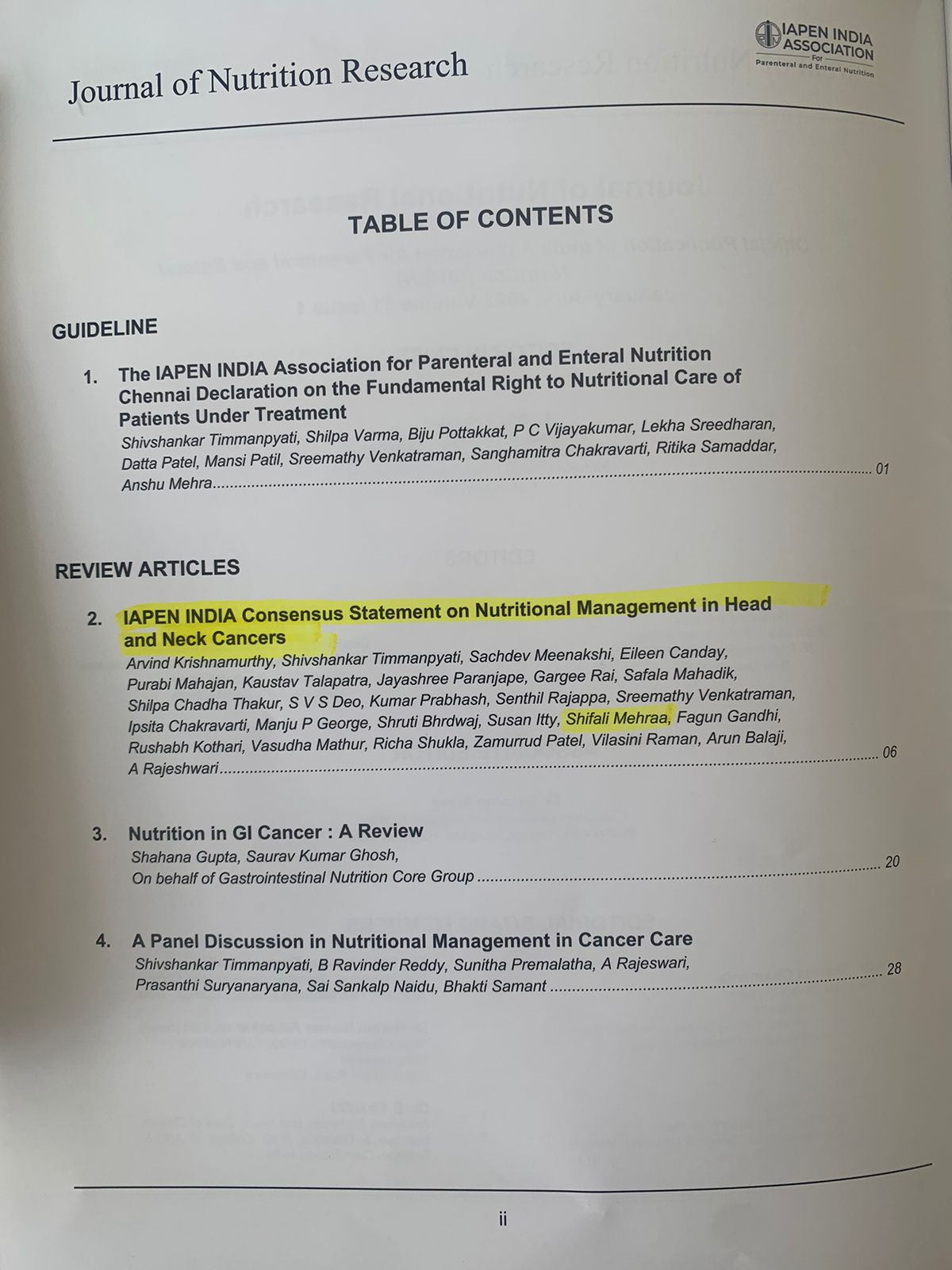
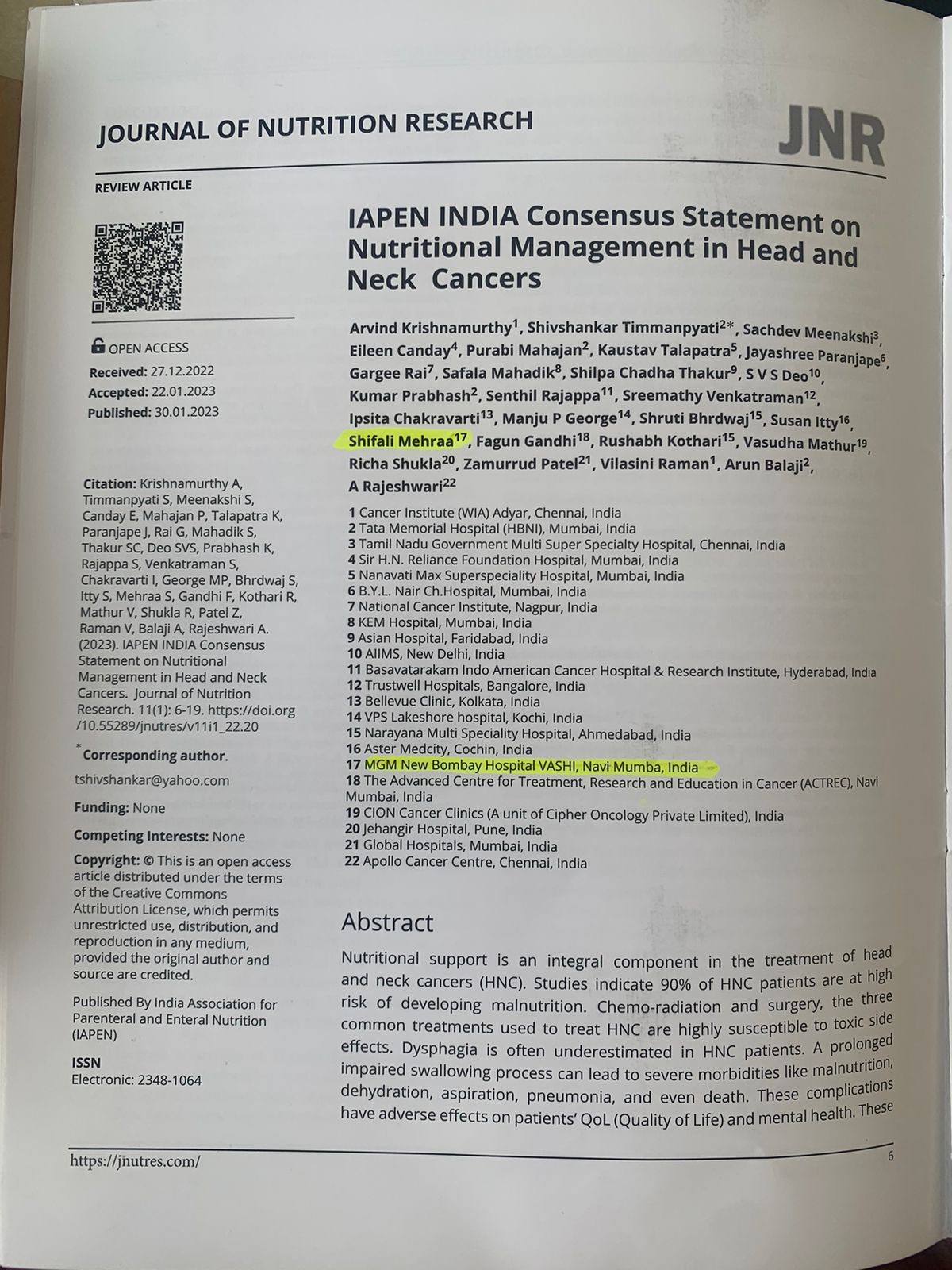
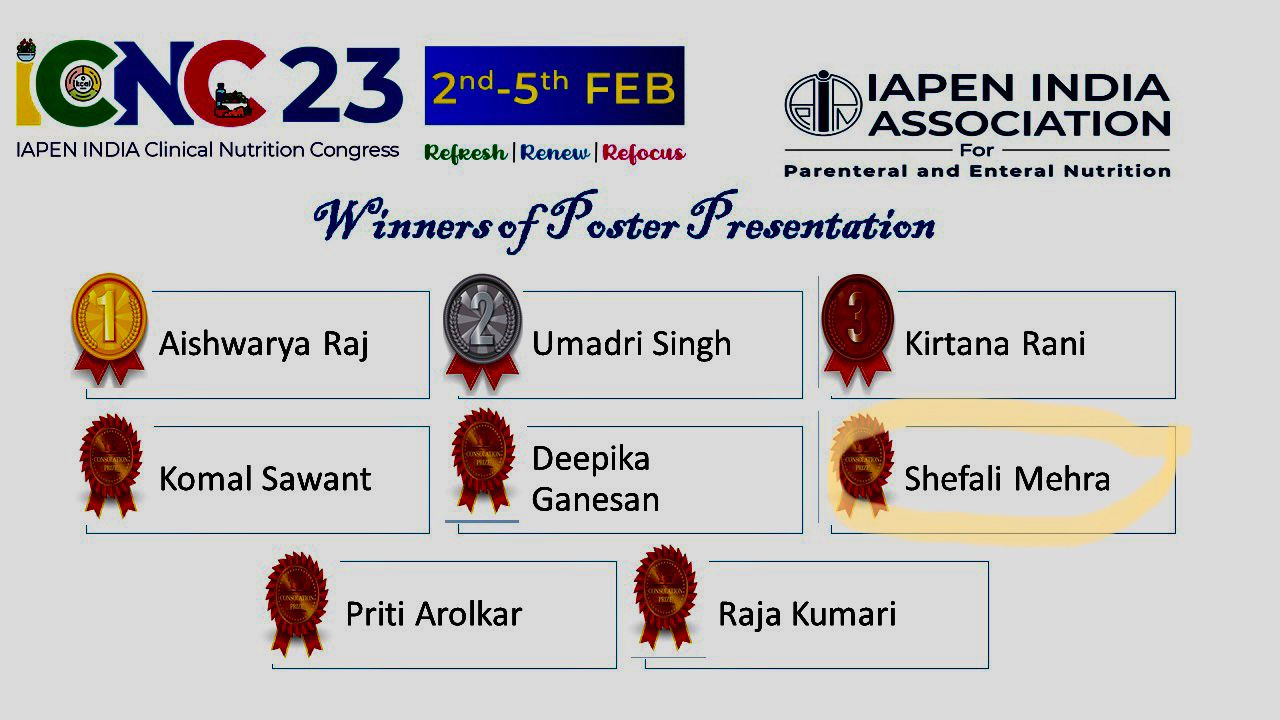
Shifali Mehraa is a Registered Dietitian & Nutritionist with over 20 years of experience in clinical nutrition.
Her professional background includes personalised nutrition care across several areas relevant to weight management and muscle health.
Clinical Nutrition Experience
Her experience in therapeutic nutrition supports individualised dietary planning for people with different health conditions and nutritional requirements.
Sports Nutrition Knowledge
Her background in sports nutrition is relevant to understanding nutritional requirements associated with physical activity, protein intake and muscle function.
Diabetes Nutrition
Dietary planning during medication-assisted weight loss may require additional consideration for people with diabetes or metabolic conditions.
Renal Nutrition
Her experience in renal nutrition is relevant for individuals whose kidney function affects suitable protein intake.
Digestive Health Nutrition
She has received training in IBS dietary management from Monash University, Australia, supporting an informed approach to dietary concerns related to digestive health.
Her practice emphasises evidence-based dietary guidance that can be adapted to individual health needs, lifestyle and food preferences.
GLP-1 Protein Nutrition vs General Weight Loss Diets
A conventional weight loss diet and a GLP-1-focused muscle preservation nutrition plan may share several principles, but their primary emphasis differs.
| General weight management diet | GLP-1 muscle preservation nutrition |
|---|---|
| Focuses on balanced energy intake | Focuses on adequate protein and overall nutrition during reduced appetite |
| Considers healthy weight management | Also considers muscle maintenance and physical function |
| Encourages balanced food choices | Prioritises nutrient-dense food choices when portions are smaller |
| Reviews dietary habits | Reviews protein intake, appetite changes and nutritional tolerance |
| Supports long-term lifestyle habits | Integrates muscle-health nutrition with ongoing medical weight management |
These approaches are complementary rather than competing treatments.
A person may benefit from both general weight management counselling and more focused protein nutrition support. Learn more about our Weight Loss Injection Diet & Nutrition Program and Weight Management Nutrition services.
Book a GLP-1 Muscle Preservation Diet Consultation in Vashi, Navi Mumbai
If you are taking doctor-prescribed Mounjaro, Wegovy or another GLP-1-based weight loss medication, understanding your nutritional needs is an important part of your overall treatment journey.
A personalised nutrition consultation can help you assess protein intake, plan balanced meals and address dietary concerns associated with reduced appetite.
Consult Shifali Mehraa, Registered Dietitian & Nutritionist, for individualised protein and muscle-health nutrition guidance in Navi Mumbai.
Consultation Location
Everhealth Superspeciality Clinic, Shop No. 48, Ground Floor, JK Chambers Building, Sector 17, Vashi, Navi Mumbai, Maharashtra 400703
4:30 PM – 6:00 PM (By Appointment)
Medical Disclaimer: This service provides nutrition assessment and dietary counselling. It does not involve prescribing, administering, adjusting or discontinuing GLP-1-based medications. Dietary strategies may support muscle health but cannot guarantee prevention of muscle loss. Medication-related concerns and medical symptoms should be discussed with a qualified medical practitioner.
Frequently Asked Questions
Some lean body mass loss may occur during weight reduction with Mounjaro. This is not necessarily direct muscle damage from the medication. Adequate nutrition, suitable protein intake and resistance exercise may help support muscle maintenance.
Maintaining appropriate protein intake, avoiding prolonged nutritional inadequacy and participating in medically suitable resistance exercise may help support muscle health during Wegovy treatment. Individual needs should be assessed by qualified professionals.
Protein needs depend on age, body composition, physical activity, kidney function and medical history. Some guidance discusses 1.2–1.6 g/kg/day for selected adults during weight reduction, but this should not be applied without individual assessment.
Adequate protein intake is important, but a high-protein diet is not automatically appropriate for everyone. The suitable amount depends on individual requirements, medical conditions and dietary tolerance.
Paneer, tofu, curd, milk, soy products, lentils, chickpeas and other legumes can contribute to protein intake. Food combinations and portions should be adjusted to individual nutritional requirements.
Adequate protein intake supports muscle health, but protein alone may not be sufficient to minimise muscle loss. Appropriate resistance training provides an additional stimulus for maintaining muscle strength and function.
Protein supplements may be considered when dietary intake is insufficient, but they are not necessary for everyone. Suitability depends on total protein intake, kidney function, medical history and product composition. Professional advice is recommended.
Suitability depends on the specific medication and the individual's medical condition. People with kidney disease need prescribing-doctor supervision, particularly if vomiting or dehydration occurs. Protein requirements may also need renal-specific dietary modification.
Age-related changes in muscle mass and function become increasingly relevant with advancing age. People over 40 may benefit from attention to appropriate protein intake, physical activity and nutritional adequacy during weight reduction.
Yes. A registered dietitian can assess dietary intake and suggest suitable protein-rich foods, meal portions and eating patterns that account for reduced appetite and individual nutritional requirements.
A general Mounjaro diet plan may address balanced meals, digestive symptoms and overall weight management. Muscle preservation nutrition places additional emphasis on protein adequacy, lean body mass, physical function and suitable strength-related nutrition.
Shifali Mehraa, Registered Dietitian & Nutritionist, provides personalised nutrition counselling at Everhealth Superspeciality Clinic in Sector 17, Vashi, Navi Mumbai. Individuals taking prescribed GLP-1 medications can enquire about nutrition support for protein intake and muscle health.
RD Shifali Mehraa is a registered dietitian and medical nutrition therapist specializing in personalized, evidence-based nutrition plans for clinical health conditions.
Follow Us
Social Media


Contact Us
EVERHEALTH SUPERSPECIALITY CLINIC
Shop No. 48, Ground Floor, JK Chambers Building, Sector 17, Vashi, Navi Mumbai, Maharashtra 400703
Timing: 4.30pm - 6pm (By Appointment)
Copyright © All Rights Reserved, RD Shifali Mehraa