
Weight Loss Injection Diet & Nutrition Program in Navi Mumbai
Personalised GLP-1 Nutrition Support by Registered Dietitian Shifali Mehraa
Weight loss injections such as Mounjaro (tirzepatide) and Wegovy (semaglutide) are prescribed by qualified medical practitioners to support weight management in eligible individuals. However, eating less does not always mean getting the right nutrition.
Reduced appetite, early fullness, changes in digestion and smaller meal portions may make it difficult to meet daily protein, vitamin and mineral requirements.
At Shifali Mehraa's nutrition practice in Vashi, Navi Mumbai, the Weight Loss Injection Diet & Nutrition Program provides personalised dietary guidance for individuals undergoing medically supervised weight loss treatment.
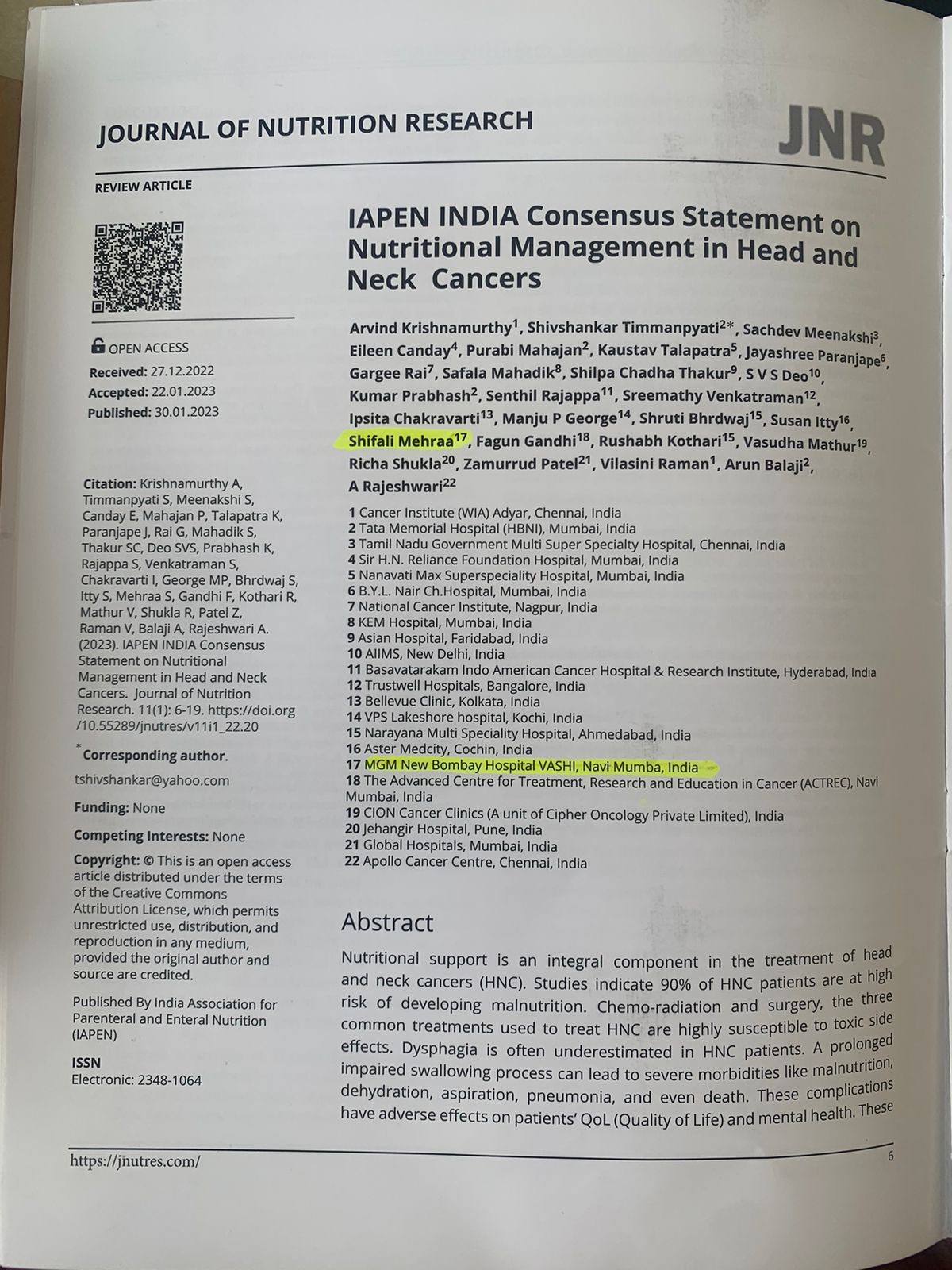
With over 20 years of clinical nutrition experience, Registered Dietitian Shifali Mehraa helps individuals develop balanced eating habits, maintain adequate nutritional intake and manage dietary challenges throughout their weight management journey.
What Is a Weight Loss Injection Diet & Nutrition Program?
A Weight Loss Injection Diet & Nutrition Program is a structured dietary counselling service designed for individuals using doctor-prescribed weight loss medications.
These medications may reduce hunger, increase feelings of fullness and affect eating patterns. As a result, some people may struggle to consume enough protein, fibre, fluids and essential nutrients.
A personalised GLP-1 diet plan focuses on maintaining nutritional adequacy while supporting medically supervised weight management.

The program may include:
- Dietary assessment
- Meal planning
- Protein intake guidance
- Hydration management
- Digestive symptom support
- Ongoing nutritional monitoring
It complements medical treatment and does not replace prescriptions, medication monitoring or medical consultations.
Why Is Nutrition Important During Weight Loss Injection Treatment?
Weight loss injections can change how much food a person feels comfortable eating. Although a reduced appetite may support weight reduction, consistently inadequate food intake can contribute to nutritional deficiencies, fatigue, constipation and loss of lean body mass.
A balanced dietary approach helps address these concerns.
Key nutritional priorities include:
Adequate Protein Intake
Supporting muscle maintenance during weight reduction.
Balanced Meals
Providing essential vitamins, minerals and other nutrients despite smaller portions.
Hydration
Maintaining appropriate fluid intake, particularly when appetite or digestive symptoms affect eating and drinking.
Digestive Comfort
Adjusting food choices and meal sizes to improve tolerance during treatment.
Fibre Intake
Supporting bowel regularity and digestive health.
Sustainable Eating Habits
Developing practical routines that can continue beyond medication treatment.
Individual dietary requirements vary according to age, body composition, activity levels, medical conditions and treatment response.
Who Can Benefit from a Weight Loss Injection Diet Plan?
Nutrition counselling may be helpful for individuals who:
- Are currently taking Mounjaro, Wegovy or other doctor-prescribed weight management injections.
- Have recently started GLP-1-based treatment and require dietary guidance.
- Experience reduced appetite, nausea, constipation or early fullness.
- Find it difficult to meet their daily protein or nutritional needs.
- Want dietary support to help maintain muscle mass during weight loss.
- Have diabetes, insulin resistance or other conditions requiring individualised nutrition advice.
- Need guidance on healthy eating habits alongside prescribed obesity treatment.
- Are planning their long-term dietary routine during or after medication treatment.
A nutrition consultation can help identify individual dietary needs, although not every person using weight loss injections requires the same meal plan.
What Does Our Weight Loss Injection Nutrition Program Include?
Personalised Dietary Assessment
The consultation begins with a review of current eating habits, food preferences, medical history, lifestyle, activity levels and nutrition-related concerns.
Where relevant, available medical reports and information about prescribed medication may be considered when planning dietary guidance.
Individualised GLP-1 Diet Planning
A personalised eating plan is developed according to nutritional requirements, appetite, food tolerance and lifestyle.
Meal plans may incorporate familiar Indian foods, including vegetarian and non-vegetarian options, rather than unnecessarily restrictive diets.
Protein Intake and Muscle Health
Weight reduction can involve loss of both fat and muscle mass.
Nutrition counselling focuses on appropriate protein intake and balanced meals to help support muscle maintenance. Resistance exercise may also be discussed, subject to medical suitability.
Protein needs are individualised, particularly for people with kidney disease or other medical conditions. Learn more about protein nutrition during GLP-1 treatment.
Dietary Support for Digestive Symptoms
Some individuals experience nausea, bloating, constipation, diarrhoea or uncomfortable fullness while taking weight loss injections.
Dietary guidance may include adjustments to meal portions, food choices, meal timing and hydration.
Persistent or severe symptoms require assessment by the prescribing medical practitioner.
Nutrition Monitoring and Follow-Up
Follow-up consultations can help review dietary intake, tolerance, eating patterns and nutritional concerns.
The meal plan may be modified as appetite, activity levels and nutritional needs change during the treatment journey.
Long-Term Weight Management Nutrition
The program also focuses on establishing practical dietary habits that support long-term health.
This may include meal planning, portion awareness, balanced food choices and nutritional guidance during treatment changes directed by the prescribing doctor. Learn more about our Weight Management Nutrition service and our Weight Maintenance Diet After Stopping Mounjaro.
What Should You Eat While Taking Weight Loss Injections?
People using GLP-1-based medications generally benefit from nutrient-dense foods that provide sufficient nourishment even when appetite is reduced.
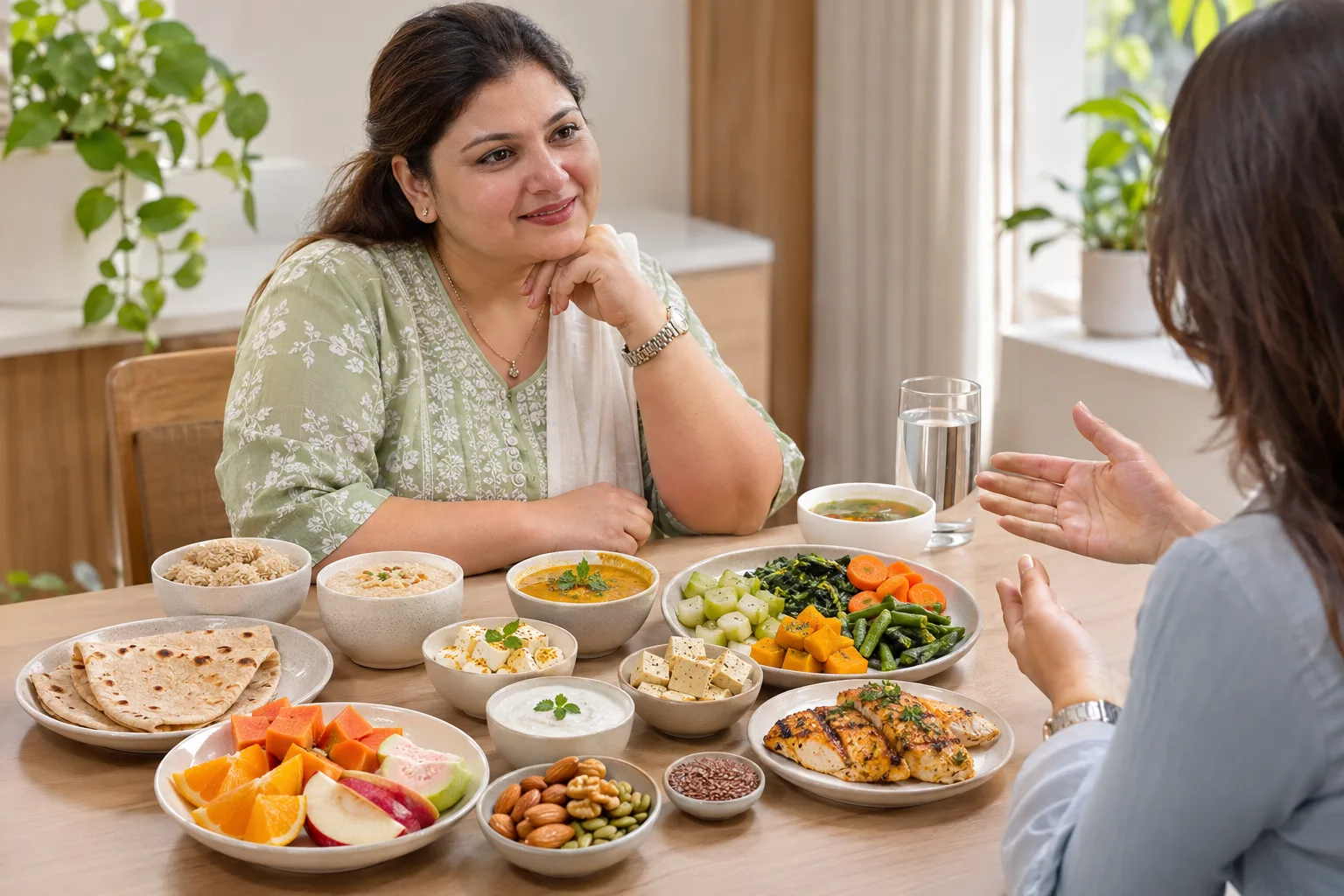
| Food group | Indian food examples | Nutritional purpose |
|---|---|---|
| Protein-rich foods | Dal, paneer, tofu, eggs, fish, chicken, curd | Supports muscle maintenance |
| Vegetables | Lauki, carrots, spinach, beans, pumpkin | Provides fibre and micronutrients |
| Fruits | Papaya, guava, apple, orange | Provides vitamins and fibre |
| Whole grains | Roti, oats, dalia, brown rice | Provides energy and fibre |
| Healthy fats | Nuts, seeds, appropriate amounts of oils | Supports essential fat intake |
| Fluids | Water, clear soups, other suitable fluids | Supports hydration |
Meal quantities and food choices should be adapted to individual needs and tolerance. People with renal, cardiac or gastrointestinal conditions may need specific dietary modifications.
Foods and Eating Habits to Limit During GLP-1 Treatment
Certain foods or eating patterns may worsen digestive discomfort in some individuals using weight loss injections.
These may include:
- Large, heavy meals that cause uncomfortable fullness.
- Excessively oily or high-fat meals if they trigger nausea.
- Eating rapidly or continuing to eat after feeling full.
- Frequent consumption of foods with limited nutritional value.
- Skipping meals repeatedly without considering protein and nutrient intake.
- Restrictive crash diets that may increase the risk of nutritional inadequacy.
There is no single universal list of foods that everyone taking Mounjaro or Wegovy must avoid. Dietary recommendations depend on individual tolerance, nutritional needs and medical guidance.
How Is a GLP-1 Diet Plan Different from a Regular Weight Loss Diet?

A conventional weight loss diet generally focuses on creating an appropriate energy deficit while meeting nutritional needs.
A GLP-1 nutrition plan must also account for changes in appetite, early fullness, digestive tolerance and the possibility of substantially reduced food intake.
For this reason, dietary counselling may place additional emphasis on protein-rich meals, nutrient density, smaller portions, adequate hydration and maintaining muscle health.
The objective is not simply to reduce food intake further, but to help individuals obtain appropriate nutrition throughout their prescribed treatment.
Why Consult Registered Dietitian Shifali Mehraa?

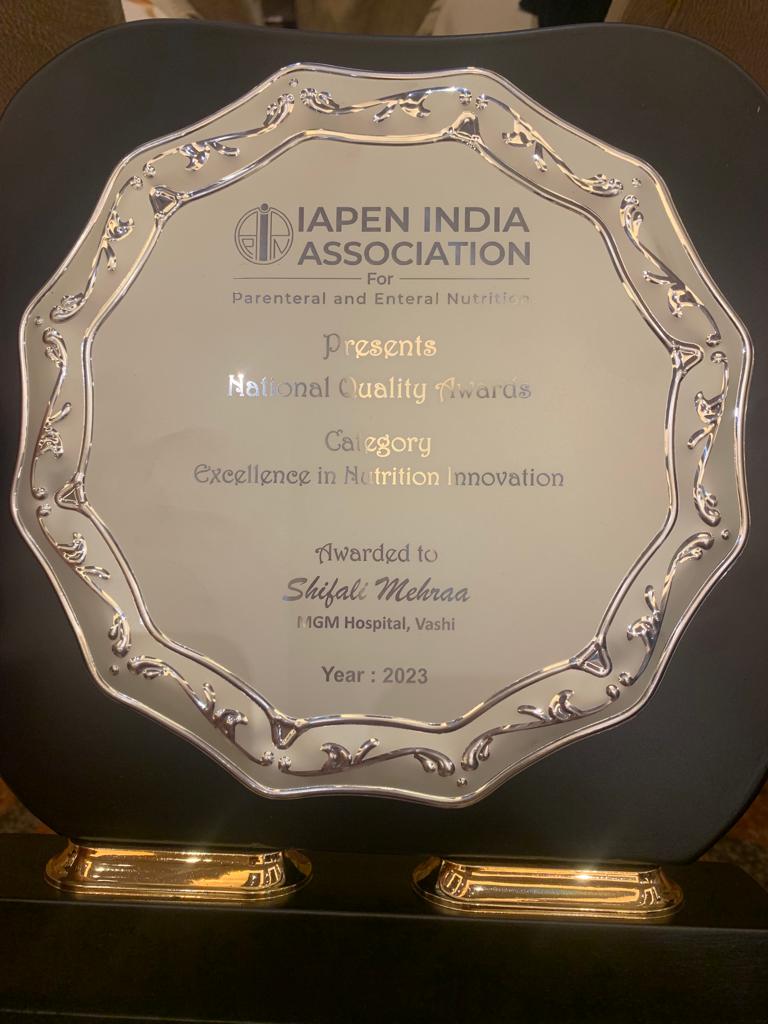
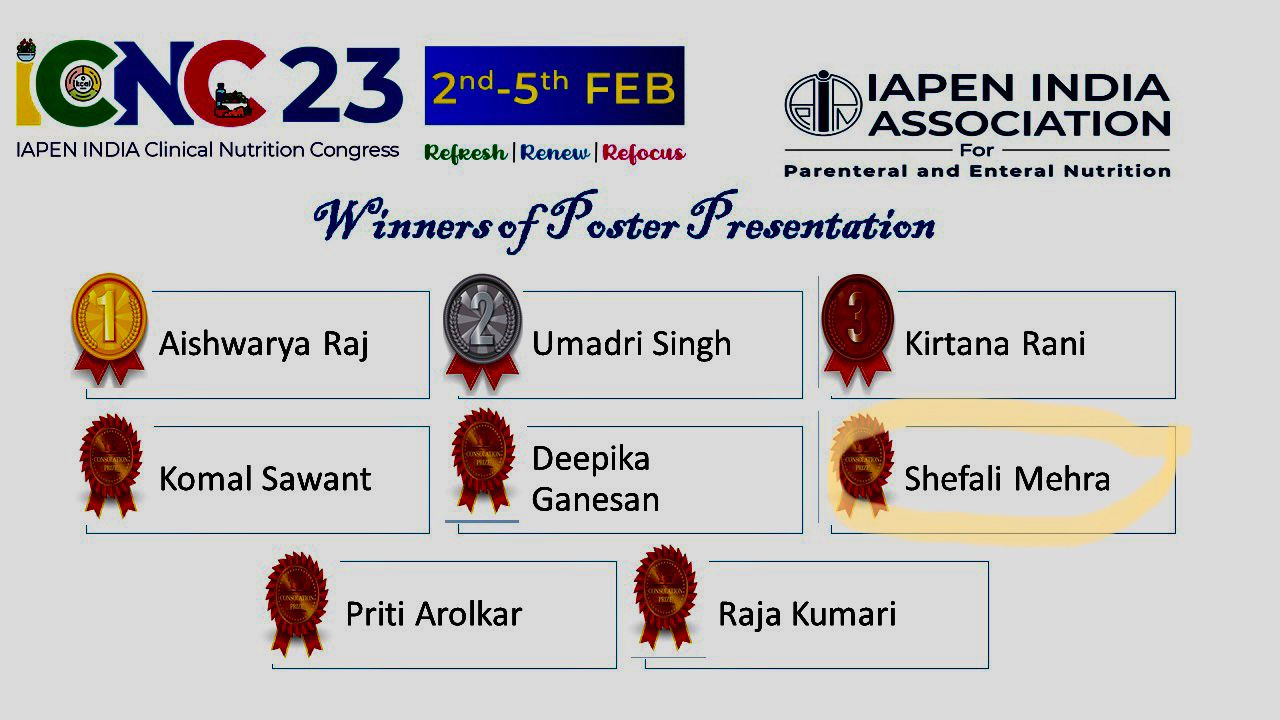
Shifali Mehraa is a Registered Dietitian and Nutritionist based in Vashi, Navi Mumbai, with over 20 years of experience in clinical nutrition.
She has also received training in IBS dietary management from Monash University, Australia.
Her areas of expertise include:
- Medical nutrition therapy and therapeutic diets.
- Diabetes and metabolic health nutrition.
- Renal nutrition.
- Sports nutrition and dietary support for physically active individuals.
- IBS and digestive health dietary management.
- Individualised nutrition and lifestyle counselling.
Her clinical nutrition background supports a personalised approach to dietary guidance for individuals whose nutritional needs may change while receiving medically prescribed weight management treatment.
Book a Weight Loss Injection Diet Consultation in Navi Mumbai
If you are currently taking Mounjaro, Wegovy or another prescribed weight loss injection, dietary guidance can help you understand how to nourish your body while your appetite and eating patterns change.
Consult Shifali Mehraa, Registered Dietitian & Nutritionist in Vashi, Navi Mumbai, for a personalised dietary assessment and nutrition plan suited to your health needs.
Consultation Details
Everhealth Superspeciality Clinic, Shop No. 48, Ground Floor, JK Chambers Building, Sector 17, Vashi, Navi Mumbai, Maharashtra 400703
4:30 PM – 6:00 PM (By Appointment)
Frequently Asked Questions
A special restrictive diet is not necessarily required, but balanced nutrition is important. Since these medications can reduce appetite, a personalised meal plan may help maintain adequate protein, fibre, fluid and micronutrient intake while supporting weight management.
A Mounjaro diet plan generally focuses on protein-rich foods, vegetables, fruits, whole grains, healthy fats and adequate hydration. Smaller, nutrient-dense meals may be helpful when appetite is reduced. Dietary requirements should be personalised.
A dietitian can suggest dietary adjustments that may help with mild nausea, constipation, bloating or early fullness. However, persistent vomiting, dehydration, severe abdominal pain or other concerning symptoms require prompt medical assessment.
Protein requirements depend on body weight, age, activity, kidney function and overall health. A registered dietitian can assess individual needs and recommend suitable protein sources and quantities.
Muscle loss may occur during significant weight reduction, including weight loss achieved with GLP-1-based medication. Adequate nutrition, appropriate protein intake and suitable resistance exercise can help reduce muscle loss, although they cannot guarantee its prevention.
Yes. An Indian vegetarian meal plan can include dal, paneer, tofu, curd, legumes, vegetables and whole grains. A dietitian can help plan meals that meet nutritional needs despite reduced appetite.
Occasionally eating less may occur because of reduced appetite. However, repeatedly skipping meals can make it difficult to obtain adequate nutrients. A dietitian may recommend smaller, nutrient-dense meals suited to your tolerance and requirements.
No. Weight loss medications must be prescribed and medically monitored by an appropriately qualified medical practitioner. A registered dietitian provides dietary assessment, nutrition counselling and meal-planning support alongside prescribed treatment.
Nutrition counselling can help people develop balanced eating habits, manage changing appetite and establish practical long-term routines. Weight regain can occur after medication discontinuation, and decisions about stopping treatment should be discussed with the prescribing doctor.
Shifali Mehraa, Registered Dietitian & Nutritionist, provides personalised dietary counselling at Everhealth Superspeciality Clinic in Sector 17, Vashi, Navi Mumbai. Patients taking doctor-prescribed weight loss injections can enquire about nutrition consultations.
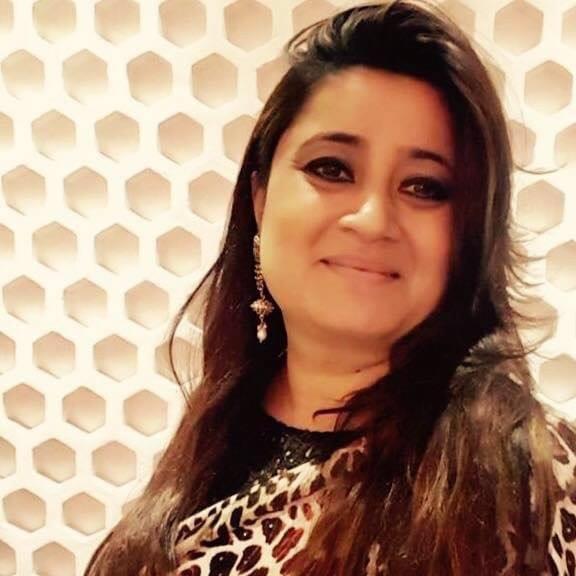
RD Shifali Mehraa is a registered dietitian and medical nutrition therapist specializing in personalized, evidence-based nutrition plans for clinical health conditions.
Follow Us
Social Media

Contact Us
EVERHEALTH SUPERSPECIALITY CLINIC
Shop No. 48, Ground Floor, JK Chambers Building, Sector 17, Vashi, Navi Mumbai, Maharashtra 400703
Timing: 4.30pm - 6pm (By Appointment)
Copyright © All Rights Reserved, RD Shifali Mehraa